How to spot trouble on any Minnesota lawn
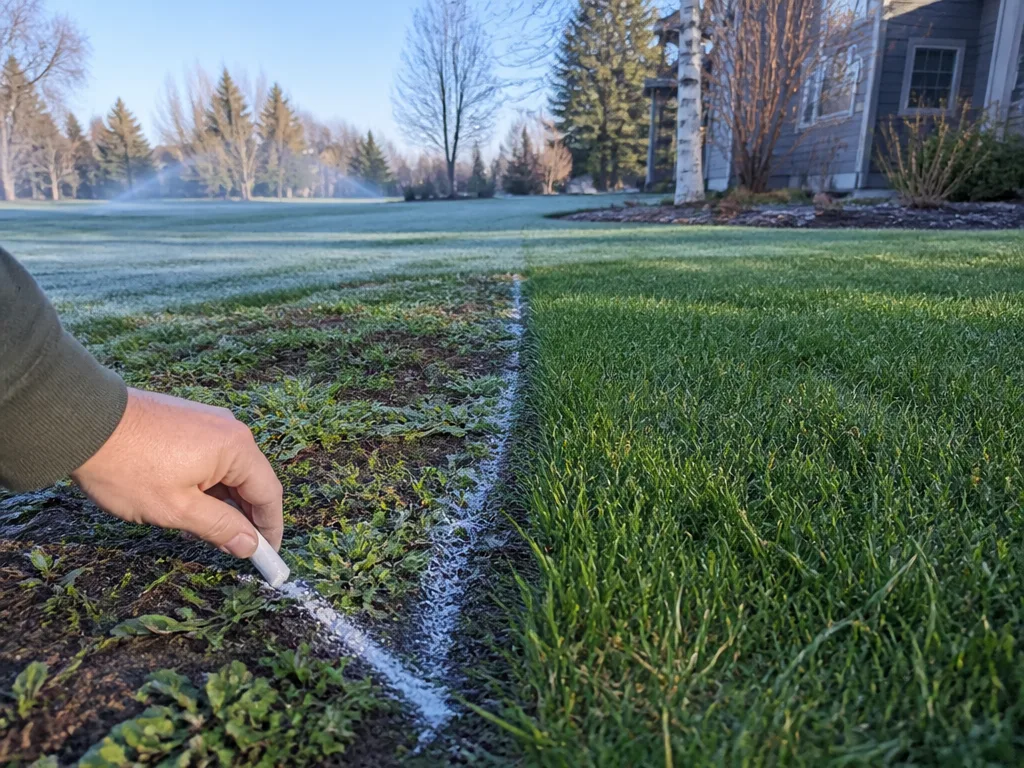
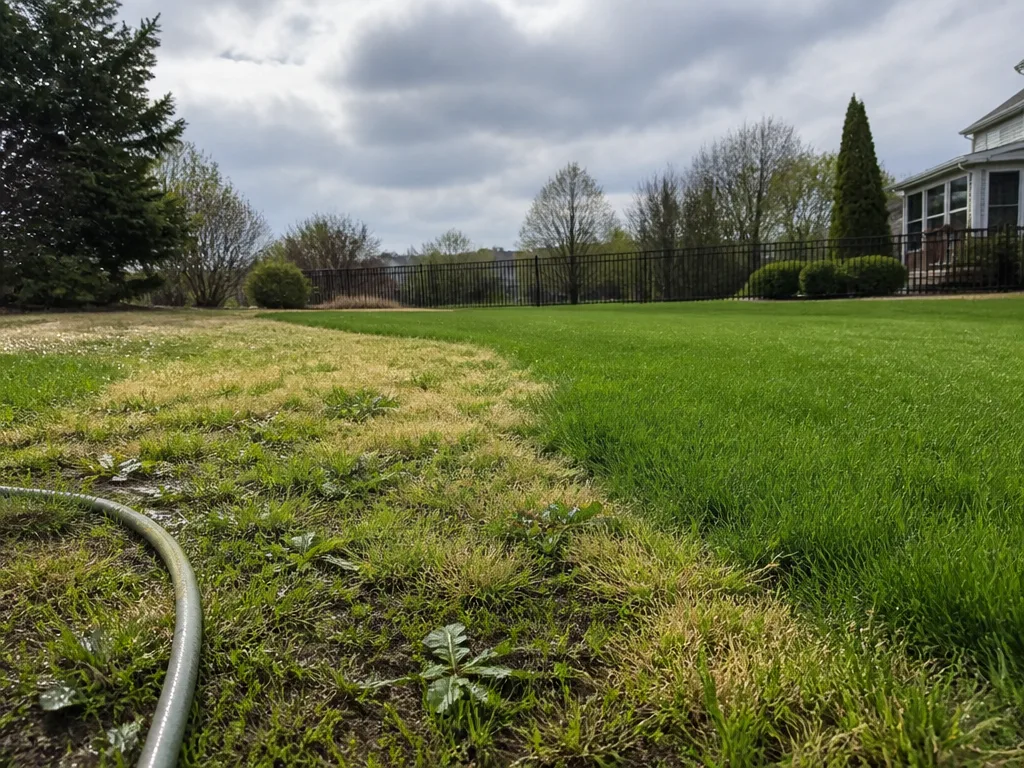
Minnesota homeowners know the seasons can be tough on turf. A few warning signs can tell a lot about what your lawn needs. Look for uneven color, with pale or coppery patches that don’t match the rest of the yard. If you see thin areas that expose soil, that can mean root stress or compacted soil. A lawn that suddenly grows a lot of weeds, especially in patches, is a signal something isn’t right beneath the surface.
Across Minnesota, weather swings, from dry spells to wet springs, stress grass roots. The first clue is usually how evenly your lawn greens up after a long winter. If color recovery is spotty, or certain zones stay dull while others look healthy, it’s time to take a closer look and decide what steps to take next.
Our team at Minnesota Hedge & Shrub Trimming pays attention to these patterns. We don’t guess. We check soil moisture, root health, and how compacted the soil is in high-traffic zones. If you notice these warning signs, a proactive check can prevent small issues from turning into big problems later in the season.
What’s behind the signs you’re seeing
Soil health matters. Compacted soil is common in Minnesota yards that see a lot of foot traffic or heavy equipment during winter prep. When soil doesn’t drain well or holds too much moisture, roots struggle and grass thins. Another common culprit is nutrient imbalance. If you haven’t fed the lawn in a couple seasons or you’ve got acidic soil, color and density can suffer.
We also see turf stressed by inconsistent mowing. If grass is cut too short in the heat of summer or leaves get left on the lawn during a rainy spell, you’re inviting stress and disease pressure. These signals aren’t a full diagnosis, but they point to where to start looking for solutions.
Simple first steps you can take today
Begin with a soil check if you have a test kit or kit from a local supplier. A balanced starter is usually a mix of nitrogen, phosphorus, and potassium in the right proportions for Minnesota conditions. Mow at 2.5 to 3 inches during the growing season to protect crowns and encourage deeper roots. Water deeply but less often to encourage root growth instead of surface moisture, especially in dry spells.
Keep an eye on drainage in low spots. If your yard puddles after rain, that’s a sign you might need to improve soil structure or consider aeration. A light topdressing with a thin layer of compost can help, but avoid overdoing it in cool weather. Minnesota crews know that timing matters for best results.
When to call a lawn care specialist
If you notice persistent color gaps, thinning that spreads beyond a few feet, or weeds that resist simple pulling, it’s a good moment to bring in a pro. A lawn care specialist can run a quick soil test, assess drainage, and tailor a plan for Minnesota conditions. We’re careful to explain costs and options clearly, with no heavy promises about outcomes.
With Minnesota Hedge & Shrub Trimming, you’ll get a clear path forward based on what your yard needs. We work across Minnesota, helping homeowners identify the root causes and set realistic steps to restore health without overdoing anything. A steady, informed approach is what keeps lawns resilient year after year.